Snow Tip: Avoid the Eyes with Snowballs to Prevent Serious Vision Injuries
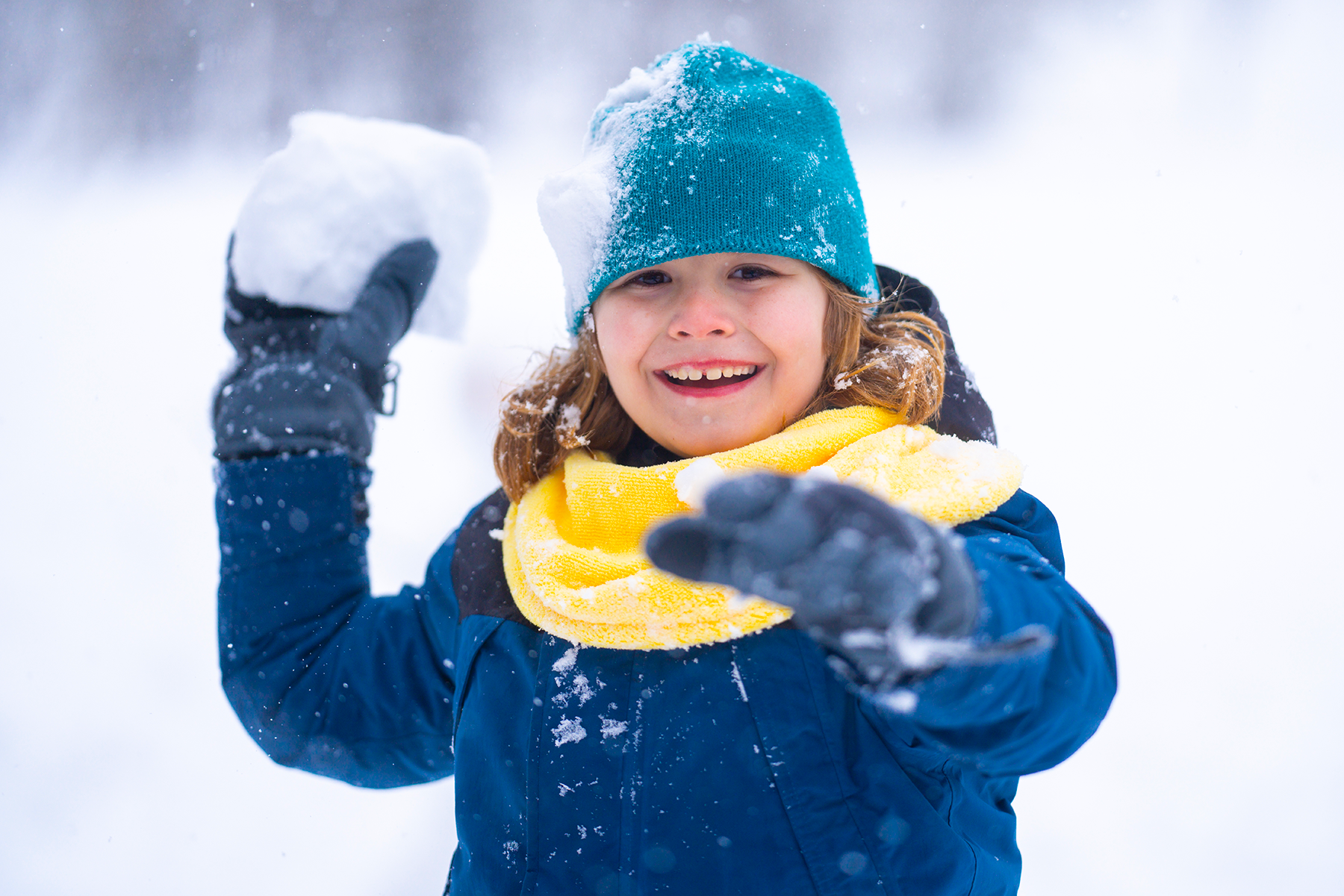
With northeastern Pennsylvania blanketed with snow and more possibly on the way, it is important to remind children, and adults for that matter, to avoid tossing snowballs near someone’s eyes.
Snowballs can cause serious eye injuries – including internal bleeding in the eye, scratches to the eye surface, and damage to the eye’s drainage system that could lead to glaucoma. The risk is even greater if a snowball has ice chunks or debris.
If a person is struck in the eye with a snowball; experts advise that they should not rub or apply pressure to the eye; rinse the eye with water; or take aspirin, ibuprofen, or similar over-the-counter medications because they can increase bleeding. Doctors also recommend that a person seeks emergency medical attention, particularly if their vision is blurry or the pain is severe.
Physicians also urge people to protect their eyes from what is commonly called “snow blindness.” Its technical term is photokeratitis, and it is a painful “sunburn” of the cornea caused by UV rays reflecting off the snow’s white surface. Symptoms – such as redness, tearing, and temporary vision loss – often take hours to appear.
Image: A child in a teal beanie and yellow scarf prepares to throw a snowball while smiling widely in a snowy landscape.